
The psychology of gambling: Why we play at casinos
The allure of chance
The thrill of gambling often stems from the tantalizing nature of chance, where every spin of the wheel or shuffle of the cards opens the door to infinite possibilities. This uncertain environment creates an adrenaline rush, as players find themselves teetering on the edge of a win or loss. The unpredictability of outcomes can be a significant draw, as it introduces a sense of excitement that is hard to replicate in other activities, especially when considering options like payid online pokies that offer engaging experiences. For many, the mere thought of winning a jackpot lures them back into the casino time and time again.
Additionally, the element of risk enhances the enjoyment of gambling. Many players are not just seeking financial gain; they are also looking for the thrill that accompanies high-stakes decisions. The psychological reward associated with risk-taking can trigger the brain’s pleasure centers, similar to how we respond to other rewarding activities. This rush can become addictive, as players seek to recreate that exhilarating moment when luck is on their side. The idea of coming close to winning or hitting a jackpot can create a compelling urge to continue playing, even when the odds are not in their favor.
Social influences also play a critical role in the allure of gambling. Casinos are designed to be social spaces where individuals can come together to share experiences. The communal atmosphere often amplifies the excitement, as players cheer for one another’s victories. This camaraderie fosters a sense of belonging, making gambling not only a personal gamble but also a shared experience. The interactions and connections formed in these environments can make each visit to the casino feel even more rewarding, enhancing the overall appeal and encouraging repeated visits to casinos.
Psychological triggers in casinos
One of the most potent psychological triggers in casino environments is the concept of variable rewards. Unlike fixed rewards, variable reinforcement occurs when the outcome of an action is unpredictable, which can lead to greater engagement and a stronger desire to continue playing. In casinos, slot machines epitomize this principle; players might spend hours pulling levers in hopes of hitting the next jackpot, driven by the understanding that their next play could yield a big payoff. This unpredictability keeps players on an emotional rollercoaster, propelling them deeper into the gaming experience.
Furthermore, casinos are strategically designed to encourage prolonged stays. From the absence of clocks to the carefully curated lighting that creates an inviting atmosphere, every aspect of a casino is tailored to ensure players lose track of time. This design stimulates a flow state, where individuals are so engrossed in the activity that they may overlook their physical needs or financial limits. The sounds and sights, designed to engage and enthrall, further contribute to an immersive environment that can make it difficult for players to leave once they start.
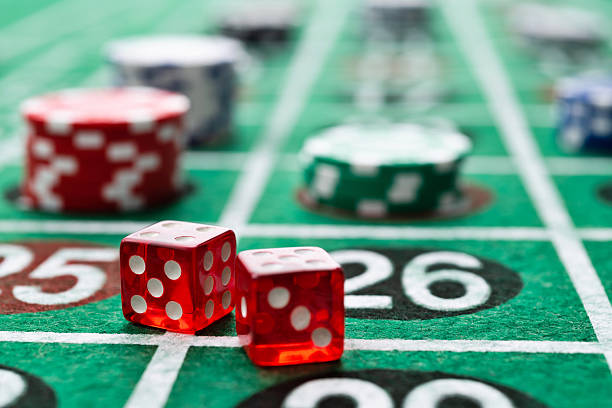
Another crucial factor is the use of sound and visual stimuli. The auditory experience that casinos create is not merely incidental; it’s a deliberate attempt to enhance the thrill of gambling. The ringing of slot machines, the shuffling of cards, and the cheers from the tables all combine to create an engaging atmosphere that beckons players to participate. Furthermore, the bright, colorful visuals of games are not just aesthetically pleasing but are also designed to keep players engaged. This combination of sensory experiences reinforces the overall thrill of gambling, making it even more challenging for players to resist returning for another round.
The impact of emotions on gambling
Emotions significantly influence gambling behavior, often serving as both motivators and consequences of gambling activities. Many individuals gamble to escape stress or negative emotions, seeking solace in the thrill of potential gains. This emotional coping mechanism can lead to a cycle where gambling becomes a way to manage feelings rather than a leisurely pastime, which can heighten the risk of developing problematic gambling behaviors. Understanding these emotional triggers is crucial, as they can dictate whether an individual plays for fun or becomes ensnared in compulsive gambling.
On the flip side, winning can lead to euphoric emotions that reinforce gambling behavior. The rush of success can ignite a desire for even greater wins, compelling players to invest further time and money into their gaming experiences. However, this cycle can turn detrimental if players fail to recognize the differences between healthy gambling and the onset of addiction. The euphoria of winning can cloud judgment, leading individuals to take risks they might otherwise avoid. Acknowledging and managing these emotional responses is vital for maintaining a balanced approach to gambling.
Moreover, the role of loss can be equally significant. The psychological phenomenon known as loss aversion suggests that individuals feel the pain of losses more intensely than the pleasure of equivalent wins. This leads players to chase losses, compelling them to gamble more in an attempt to recoup their expenditures. This behavior can spiral into a cycle of desperation and over-commitment as players cling to the hope that the next round will bring fortune. Understanding these emotional dynamics can help players make more informed decisions about their gambling habits, paving the way for healthier gaming experiences.
The social aspect of gambling
The social fabric of gambling cannot be understated, as it provides a vital context in which many people partake in the activity. For many gamblers, the casino experience is about more than just the games; it’s about the camaraderie and shared experiences with friends or even strangers. This social environment fosters interactions that enhance enjoyment and engagement, creating a sense of community among players. Group games, tournaments, and social events further amplify this aspect, highlighting how gambling can act as a social glue that binds people together.
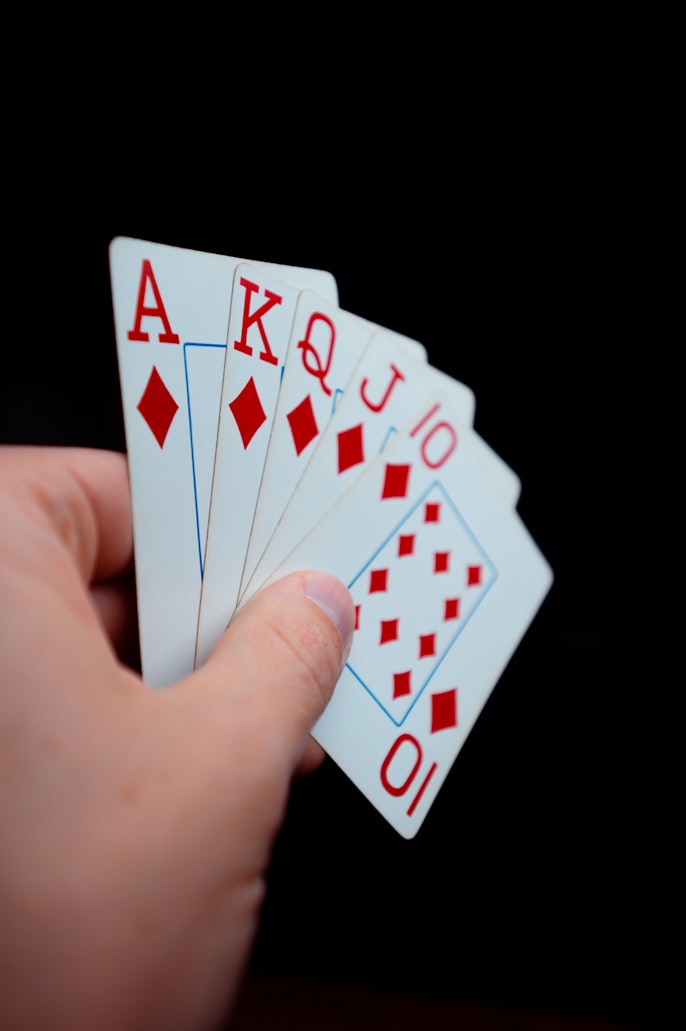
Moreover, the phenomenon of social proof comes into play. When new players observe others winning or enjoying themselves, they may be more inclined to join in. Seeing fellow gamblers celebrating their wins creates an encouraging atmosphere that can captivate newcomers. The excitement generated by shared victories can be infectious, leading to increased participation and enthusiasm. This aspect not only nurtures a sense of excitement but also builds anticipation, drawing people into the world of gambling even if they were initially hesitant.
However, while social engagement can enhance the gambling experience, it also poses risks. Peer pressure can lead individuals to gamble beyond their means, driven by the desire to fit in or share in the excitement. This highlights the importance of maintaining a healthy balance between social engagement and personal responsibility when participating in gambling activities. Understanding the social dynamics at play can empower individuals to enjoy themselves while also being mindful of their limits, ensuring that social interactions do not compromise their financial wellbeing.
Understanding responsible gambling
In light of the psychological and emotional complexities surrounding gambling, it’s crucial to promote responsible gambling practices. Encouraging gamblers to set limits on their expenditure and time can create a healthier relationship with gaming activities. This preventive approach seeks to empower players by educating them on recognizing signs of problem gambling and adopting strategies to mitigate risks. By fostering awareness, individuals can engage in gambling as a form of entertainment rather than an all-consuming activity that disrupts their lives.
Additionally, many casinos now offer resources and programs dedicated to responsible gambling. These initiatives are designed to help players access information about their spending habits and provide them with tools for self-assessment. Programs that promote self-exclusion and cooling-off periods are also valuable in creating a safer gambling environment. These measures not only help protect players from potential harm but also cultivate a culture of accountability within the gaming community, where players support one another in making responsible choices.
Lastly, it’s essential to embrace an open dialogue about gambling. By discussing experiences, challenges, and strategies related to gambling, individuals can foster an environment of support and understanding. This conversation can help demystify the gambling experience and encourage healthier practices. Ultimately, prioritizing responsible gambling practices contributes to a healthier gaming culture that supports enjoyment while mitigating risks, ensuring that the thrill of gambling remains a fun and safe pastime.
