
Exploring the impact of luck versus skill in casino success
Understanding Luck in Casino Games
Luck plays a pivotal role in casino gaming, as much of the appeal stems from the unpredictability that comes with games of chance. For instance, while a player can strategize and choose when to place a bet, the outcome of games like slots, roulette, and dice games is ultimately determined by random results. This randomness creates an alluring atmosphere, where players can experience the thrill of winning with little more than a fortunate turn of fate. Many players also explore various betting apps that enhance their gaming experience, as the very nature of these games is designed to evoke excitement and anticipation, drawing players into a world where anything can happen.
Casinos often promote the idea that luck is the primary factor influencing success, which can draw in casual gamers who may not have a deep understanding of the games they are playing. The excitement of potentially hitting a jackpot or landing a winning combination can create an engaging environment. High-profile success stories of individuals hitting an enormous payout reinforce the allure of luck, leading many to believe that anyone could strike it rich in a moment of chance. This narrative not only captivates players but also serves as a marketing tool for casinos eager to attract new patrons.
However, it’s essential to recognize that luck is not evenly distributed. While one player may enjoy a streak of good fortune, another may face a series of losses. This inconsistency highlights the nature of luck; it can be a fickle friend. Understanding the role of luck in gambling allows players to manage their expectations and helps them appreciate that while winning is exciting, losing can also be part of the experience. This awareness is crucial for maintaining a healthy perspective on gambling and avoiding the pitfalls of unrealistic hopes.
The Role of Skill in Gambling
On the other hand, skill is a significant factor in many casino games, particularly those that require strategy, such as poker, blackjack, and even certain betting techniques in sports wagering. Players who invest time in learning game rules, odds management, and strategic decision-making tend to perform better than those who rely solely on luck. Skills such as bluffing in poker or card counting in blackjack can significantly enhance a player’s chances of succeeding over time. This ability to manipulate the game’s dynamics through knowledge and tactics underscores the importance of skill in achieving long-term success.
Skillful players have the ability to analyze situations and make informed decisions that can mitigate the influence of luck. For example, in poker, a player who understands probability and reads opponents well can capitalize on their skill to win pots that might seem purely based on luck. This strategic understanding differentiates skilled players from novices, showing that while luck can provide a temporary advantage, sustained success often relies on honing one’s skills and knowledge. By mastering the intricacies of the game, players can create opportunities that increase their odds of winning consistently.

The interplay between skill and luck leads to varied outcomes in casinos. While some players may enjoy one-time success due to luck, skillful players often find a sustainable path through consistent practice and experience. This highlights the importance of developing one’s abilities in conjunction with recognizing the unpredictable nature of luck in gambling environments. For those serious about improving their game, investing time in learning and practicing strategies can yield significant dividends in the long run.
The Psychological Aspect of Luck and Skill
The psychology of gambling intertwines closely with the concepts of luck and skill. Players often enter a casino with a mindset shaped by their past experiences, influencing how they perceive outcomes. Those who prioritize luck may engage in riskier behavior, believing that the tide can turn in their favor at any moment. This mentality can lead to a cycle of chasing losses, which is detrimental in the long run. Such behavior often stems from cognitive biases that skew their understanding of probability and control, making it crucial for players to remain grounded in reality.
Conversely, skilled players often adopt a more pragmatic approach. They understand that not every hand or spin will yield a win and focus on long-term objectives rather than short-term gains. This mindset helps them manage their bankroll effectively and sets realistic expectations. As a result, they are often more disciplined, which positively impacts their overall experience in the casino. The ability to stay calm and collected under pressure can be a game-changer, allowing these players to stick to their strategies and avoid emotional pitfalls.
Furthermore, emotional responses can cloud judgment during gameplay. Players relying solely on luck may suffer from heightened emotions during a losing streak, leading to impulsive decisions. In contrast, skilled players typically maintain composure, relying on their strategies to navigate through rough patches. This psychological resilience is key to long-term success in casino environments. It highlights the need for players to cultivate mental fortitude and emotional intelligence as part of their gambling strategy, enabling them to make better choices regardless of immediate outcomes.
The Balance Between Luck and Skill
In reality, the relationship between luck and skill in casino games is not a straightforward dichotomy; it is often a delicate balance. Games are designed with certain probabilities, and understanding these odds can aid players in making informed decisions. While some games are predominantly luck-based, others offer opportunities for skilled players to shine, creating a dynamic where both elements coexist. For instance, while a spin of the roulette wheel is purely chance, a skilled card player can manipulate the odds to their advantage through strategic play and decision-making.
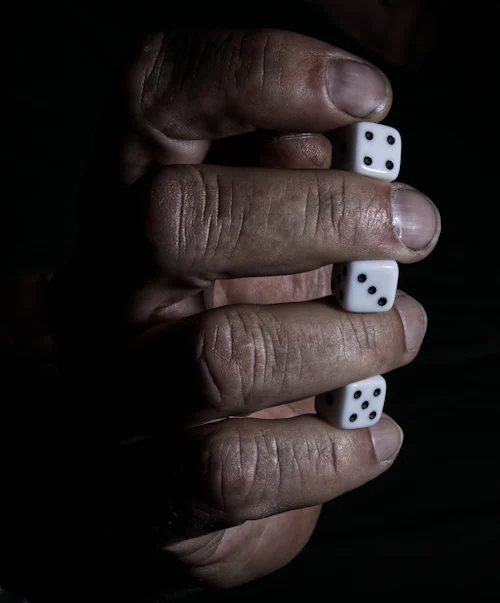
One cannot dismiss the importance of luck entirely, as it can influence the outcome of every game, regardless of a player’s ability. For instance, a high-stakes poker game may be heavily influenced by the cards dealt. However, the skilled player’s ability to make the most of those cards or manipulate the situation can lead to success. This interplay creates an intriguing environment where both luck and skill are vital components of the overall gambling experience. It emphasizes that while players may enjoy short-term benefits from luck, long-term success hinges on their ability to leverage skill effectively.
This balance highlights a critical understanding for players: while luck may lead to significant wins, enhancing one’s skills can ensure that they maximize their chances and minimize losses over time. As such, aspiring gamblers should focus on developing their skills while also understanding and accepting the role of luck in their gambling endeavors. Recognizing this balance can lead to a more informed and strategic approach to gaming, one that fosters enjoyment and better results in the end.
Your Path to Success in the Casino
As you delve deeper into the world of casino gaming, it’s essential to equip yourself with the right tools and knowledge. Understanding that both luck and skill play pivotal roles in gambling can significantly influence your approach. By educating yourself on game strategies, odds, and basic mathematics, you can enhance your skill set, which may improve your overall experience and success. Resources such as books, online tutorials, and practice games can be invaluable in building a solid foundation for your gaming journey.
Participating in online gaming communities and forums can also provide valuable insights and tips from experienced players. Engaging with others can refine your strategies and help you stay updated on trends within the gaming industry. The social aspect of gaming often provides motivation and inspiration for players seeking to improve their skills, fostering a sense of camaraderie. Sharing experiences and learning from others can accelerate your growth as a player, making the journey more enjoyable and enriching.
Ultimately, regardless of where you fall on the luck versus skill spectrum, the key to a fulfilling casino experience lies in knowing your limits, playing responsibly, and enjoying the journey, which is rich with both highs and lows. Whether you choose to gamble for entertainment or seek the thrill of winning, maintaining a balanced perspective will enrich your experience and guide you toward long-term enjoyment in the vibrant world of casinos. Embracing both the excitement of luck and the discipline of skill can lead to a deep appreciation of the game and a more rewarding gambling experience overall.
